
How Fast Fashion is Harming the Planet and What You Can Do About It
- Judy Williams
- Feb 12, 2023
- 4 min read
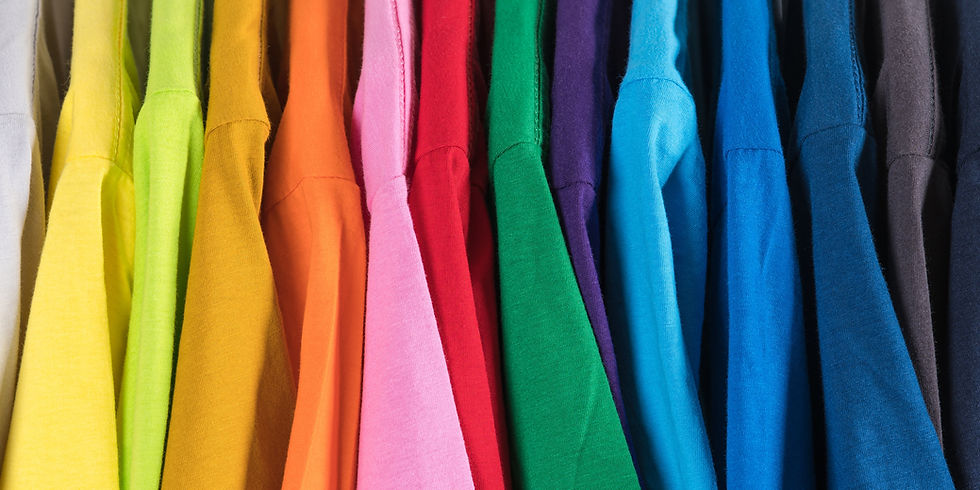
Is retail therapy for fast fashion one of those things you turn to that cheer you up? Unfortunately, that’s going to have to change...
Retail therapy is killing us, especially our desire for new clothing or 'fast fashion'. Fast fashion refers to producing inexpensive clothing that reflects the latest fashion trends. It's great to refresh the wardrobe but devastating to the environment. The constant demand for new and trendy clothing is damaging every country that has a role in its production and distribution.
Let's talk about fabrics.
To make inexpensive clothing, you need affordable materials. Products like nylon, polyester, acrylic and spandex are all petroleum by-products. They are durable, strong and wrinkle resistant, but the production of synthetic fibres:
Releases microfibers into the environment, harming wildlife and the ecosystem.
The use of harmful chemicals in the production process pollutes water sources, and
Fast fashion production requires large amounts of energy, contributing to climate change.
Oh, and all that stuff you don't want from last year? It's in a landfill here. An estimated 27kg per person in Australia goes to landfill every year. It's a mountain of a problem.
When you wash your garments, microfibres are released into the wastewater and ultimately flow into the ocean. It's been estimated that the fashion industry is the second-biggest polluting industry in the world (just after the oil business it's associated with).[1]
But even natural fibres, like cotton, are notorious for needing vast amounts of pesticides and water to grow well and yield the return the grower wants.
That's not the only problem, either. Fast fashion items are generally made in poorer countries, like China, India, Bangladesh, Pakistan and Vietnam. The wages are poor, the hours are long, and the conditions are appalling. For example, in 2020, 93% of brands surveyed were not paying garment workers a living wage.[2] Workplace abuse and unsafe environments within the fashion-production sector have also been widely documented. They also encourage gender-based pay scales, disadvantaging women in their workplaces.
There was a terrible example of these conditions when in April 2013 in Bangladesh, a factory collapsed, killing 1100 workers and injuring up to 2500 others. The disaster was caused by several factors, including inadequate construction and building standards, substandard building materials, and the addition of unauthorised floors. The workers were forced to enter the building even though cracks had appeared in the walls the day before, leading to the building's collapse.
The Rana Plaza disaster was a wake-up call for the fashion industry and highlighted the need for greater accountability and transparency in the fast fashion supply chain. In the aftermath of the disaster, numerous initiatives were launched to improve working conditions and safety standards in the garment industry in Bangladesh and other countries, including the Accord on Fire and Building Safety in Bangladesh, signed by over 200 companies.
The fashion industry will tell you that they (as always) are delivering what the market wants. By purchasing these items, you are supporting the terrible working conditions of those making the products in terrible conditions. It doesn't have to be like this.
Natural fibres, such as organic cotton, hemp, and bamboo, are renewable and biodegradable, making them more environmentally friendly than synthetic fibres. There are more sustainable alternatives to traditional synthetic fabrics in items like sportswear, too. Here are a few examples:
Ø Synthetic fibres, such as recycled polyester, can be made from recycled plastic waste, reducing the need for virgin petroleum-based materials and waste in landfills.
Ø Bio-based synthetics, such as Tencel and Modal, are made from renewable plant materials, reducing the environmental impact compared to traditional synthetic fibres.
Ø Merino wool is a natural, biodegradable fibre that is moisture-wicking, odour-resistant, and provides warmth, making it a sustainable alternative to synthetic fabrics in sportswear.
You can make a difference! Now!
These are the things that can make a change to this disastrous industry, with your action right at the top of the list.
Buy fewer clothes. Buy recycled and recycle yours.
Insist on natural materials like organic cotton, hemp, wool, bamboo and linen when shopping.
Buy unique products from local craftspeople near you.
Support sustainable brands. There is a growing movement in the fashion industry to improve their eco-footprint, but there is much work.
The fashion industry needs to be more transparent about its production processes and materials so consumers can make informed choices.
Go to Fashion Checker and add your voice to the support for garment workers worldwide.
Several fashion brands are leading the way in sustainable fashion. Patagonia, Everlane, Stella McCartney, Reformation, Allbirds, Girlfriend Collective, Outerknown, Mara Hoffman, Autumn Adeigbo, Cleobella, G-Star Raw, JADE Swim, PĪFERI, Parade, LEZÉ the Label, Santos by Mónica, WE-AR4.
Not all of these labels are available everywhere, and not all are within reach. But it is up to experienced designers and manufacturers to lead the way, and many are giving it a red-hot go. After all, fast fashion is about imitating what is happening in haute couture.
Many other brands are also making a positive impact, and consumers need to support these brands and seek sustainable fashion options. Check for opportunities to do this near you.
Do your retail therapy if you must, but check the labels and make a difference!


Comments